
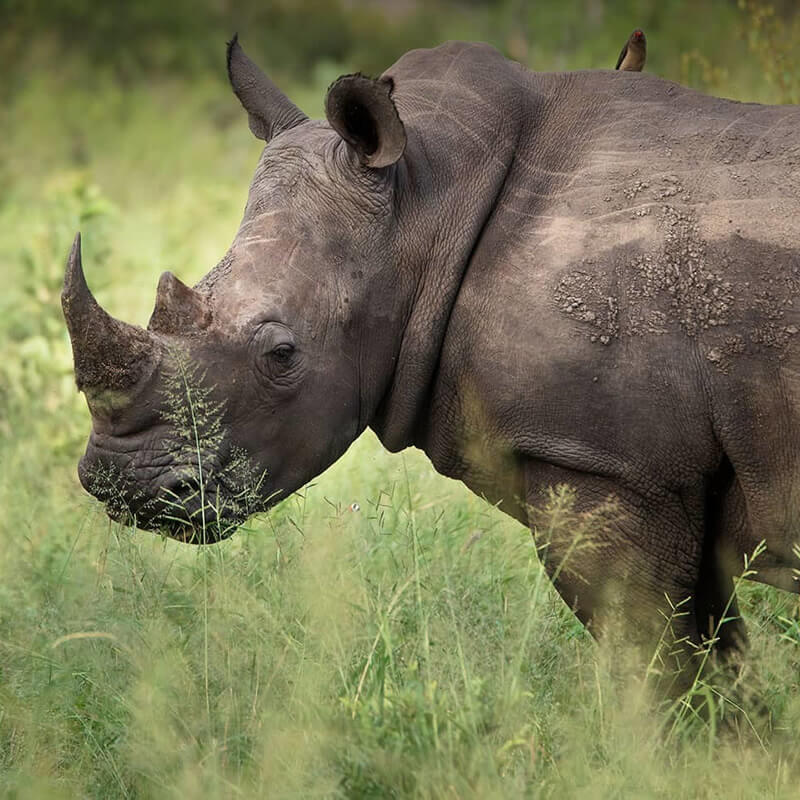
Lake Nakuru National Park can be visited year-round. Drier periods generally make roads easier, while wetter months bring greener scenery and can change water levels and bird distribution.
When is the best time to visit Lake Nakuru National Park?
The best time depends on the experience you are prioritising. The park can be visited throughout the year, though rain changes road conditions, water levels and bird distribution. For many travellers, the mistake is to choose a month from a generic 'best season' list without checking what that month actually means in Lake Nakuru.
Think about wildlife, weather, crowd levels and price together. Drier periods may make some animals easier to locate and roads easier to use, but greener periods can offer fewer vehicles, beautiful landscapes, migrant birds and strong photography. A famous seasonal event can also make one area busier and more expensive.
For an ESA Safaris itinerary, share the dates you can travel and the experiences that matter most. The route can then be designed around seasonal strengths rather than promising that one month is perfect for everyone.
Why Lake Nakuru changes the answer
A Rift Valley national park combining an alkaline lake, acacia woodland, grassland and escarpment viewpoints. Because the park is compact, it often works well for travellers who want a concentrated game-viewing day without the very long distances of larger reserves.
The park can be visited throughout the year, though rain changes road conditions, water levels and bird distribution.
The same month can feel different in different places
Altitude, coast, forest and open savannah create very different conditions within East Africa. A cold early game drive can be followed by a warm afternoon, while the coast may remain humid.
Pack in layers and use destination-specific advice rather than one weather description for the entire trip.
What this means for your itinerary
The park is compact and known for rhino conservation, buffaloes, giraffes, waterbuck, baboons and varied birdlife. Flamingo numbers vary with lake conditions and should not be treated as a permanent pink shoreline guarantee.
Choose the month as part of the wider Kenya route rather than planning the entire trip around one park alone.
Weather changes the experience, not only the temperature
Rain can affect road conditions, vegetation, birdlife and where animals find water. Dry periods can improve visibility in some habitats while creating more dust.
Tell ESA Safaris what matters most—photography, migration, birding, beach time or lower visitor numbers—so season can be discussed in relation to the experience.
Before you book or travel
- Choose dates around your main priority rather than a promise of perfect weather.
- Pack layers for temperature changes between early morning and afternoon.
- Keep rain protection accessible during wetter periods.
- Allow flexibility when road, flight or activity conditions change.
Frequently Asked Questions
Does the dry season guarantee better wildlife sightings?
No. It can make animals easier to locate in some habitats, but wildlife remains unpredictable and each ecosystem responds differently.
What clothing works across changing weather?
Pack layers. Early drives can be cool while afternoons become warm, and light rain protection is useful in many seasons.
Can weather change an activity?
Yes. Walking, boating and flying are especially sensitive to conditions. The responsible operator decides whether a change is necessary.
Can I still safari in the rainy season?
Yes. Rain can change roads and daily timing, but it can also bring greener landscapes, birdlife and different photographic conditions.
Turn the answer into a workable itinerary
Tell ESA Safaris what you want the trip to feel like, not only where you want to go. That makes it easier to design a route with the right pace, activities and practical arrangements.


